







Search Results for: Coffee underextraction
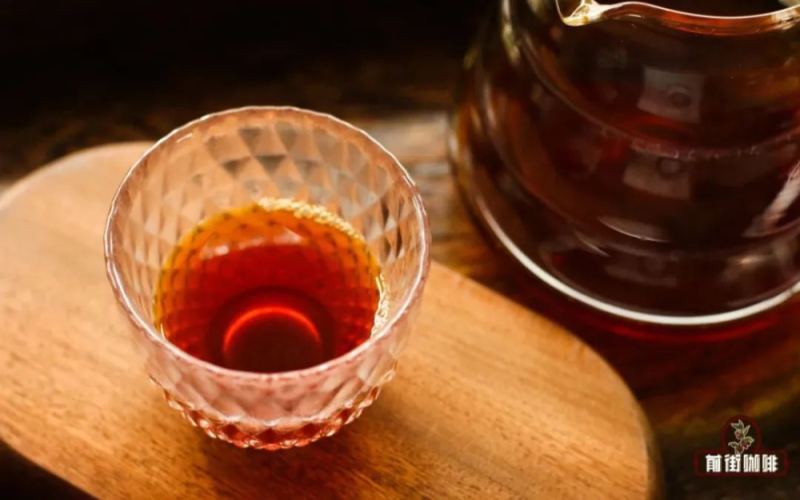
Can Underextracted Pour-Over Coffee Be Rebrewed? A Detailed Explanation of the Four Key Parameters Affecting Flavor
An under-extracted pour-over coffee often has low concentration and bland flavor, leaving people unsure how to fix it. Over-extraction can still be solved by adding water to dilute it, but under-extraction is tricky. Front Street Coffee started from an interesting experiment and actually tested whether pouring some of the brewed coffee back onto the coffee bed for re-extraction is feasible. This article not only verifies the practical effect of this method, but also deeply analyzes the key influence of the four major extraction parameters—water temperature, grind size, ratio, and time—on flavor, helping coffee enthusiasts find a feasible corrective approach when brewing goes wrong, while also reminding everyone: rather than fixing it afterward, it is better to brew it right from the start. [more…]
How to Identify Underextraction and Overextraction in Pour-Over Coffee? Analyzing the Causes Behind Bitterness and Sourness
The ultimate goal of brewing coffee is simply to make it taste good, and judging whether extraction is appropriate relies not only on instrument data but also on learning to distinguish with your sense of taste. Starting from the Golden Cup standard and combining Front Street's experimental observations, this article explains in detail the flavor manifestations, causes, and countermeasures of under-extraction and over-extraction. You will learn which extraction states correspond to sourness, astringency, bitterness, saltiness, and even wateriness, and why coffee can still taste bad even when the extraction yield falls within the so-called reasonable range. Whether you are a beginner just starting out or a veteran looking to refine your technique, these practical experiences can help you adjust your brewing plan more confidently. [more…]
A Detailed Guide to Pour-Over Coffee Staged Extraction Techniques: A Full Breakdown of One-Pour, Three-Pour, and Three-Stage Brewing Steps
Among the many schools of pour-over coffee, single-pour, three-pour, and volcano methods each have their own characteristics, and the three-pour method is the classic example of staged extraction. By dividing the pour into several stages, staged extraction can present a richer sense of layering, clearly distinguish the flavors of the coffee's front, middle, and back sections, and at the same time reduce the chance of water escaping from the edge of the dripper, improving brewing stability. However, this technique also places higher demands on controlling flow rate and water volume. This article will use beans from Costa Rica's Pilon processing plant as an example to break down the steps of staged extraction in detail, and answer the common confusion about when to stop and when to pour again, helping you easily master this technique. [more…]
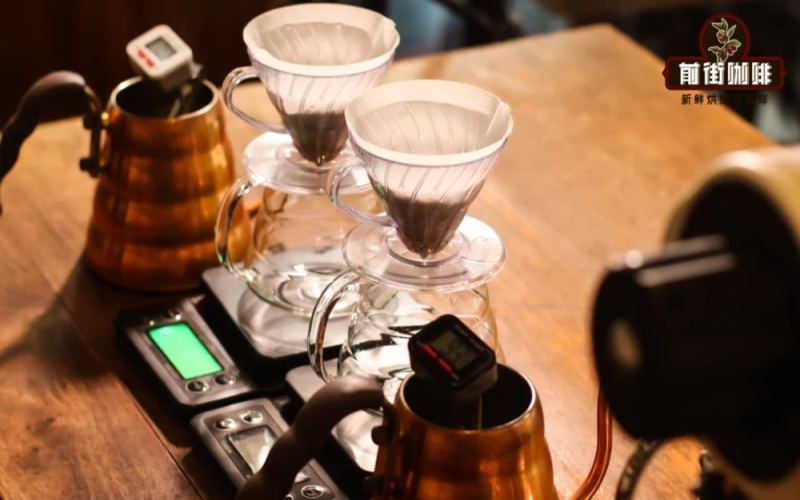
Pour-Over Coffee: One-Pour vs. Three-Pour Comparison — A Comprehensive Analysis of Steps, Ratios, and Brewing Methods
One of the charms of pour-over coffee lies in using different pouring techniques to bring out the diverse flavors of the same bean. Currently, the two most widely used methods—single-pour and three-stage—each have their own followers. Single-pour involves completing the target water volume in one go after blooming; it is simple to operate but extremely demanding on water flow stability and grind size. The three-stage method divides pouring into three phases, enhancing layering and compatibility through staged extraction. Using 15 grams of coffee and a 1:15 coffee-to-water ratio as an example, this article breaks down in detail the specific steps, pouring timing, and parameter requirements of both methods, and combines the brewing performance of Front Street Coffee Huakui and Colombia Huila Washed Caturra to help you find a brewing rhythm that suits you. [more…]
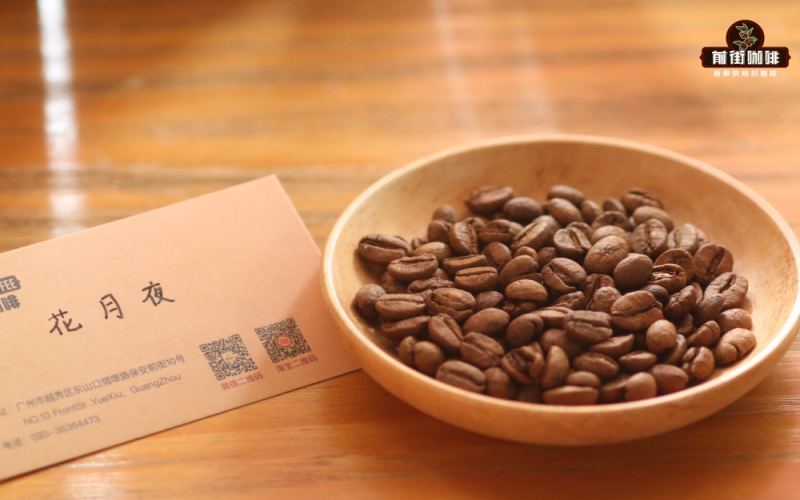
How is anaerobic natural different from regular natural? A complete comparison from processing workflow to brewing flavor
Coffee processing methods directly influence the flavor direction in the cup. Natural processing, as the most traditional method of green coffee processing, allows the fruit pulp to wrap around the seed and dry slowly, resulting in a broader flavor spectrum and greater sweetness; anaerobic natural processing, on this basis, introduces sealed low-temperature fermentation, which slows pectin decomposition and causes pH to drop more gradually, thereby accumulating more sweet compounds. This article will start from the specific processes of the two methods, analyze their effects on coffee flavor, and use Front Street Colombia Luna Night, which employs anaerobic natural processing, as an example to explain how to adjust grinding, water temperature, and pouring technique for such beans to brew a full fermented sweetness and a rounded mouthfeel. [more…]
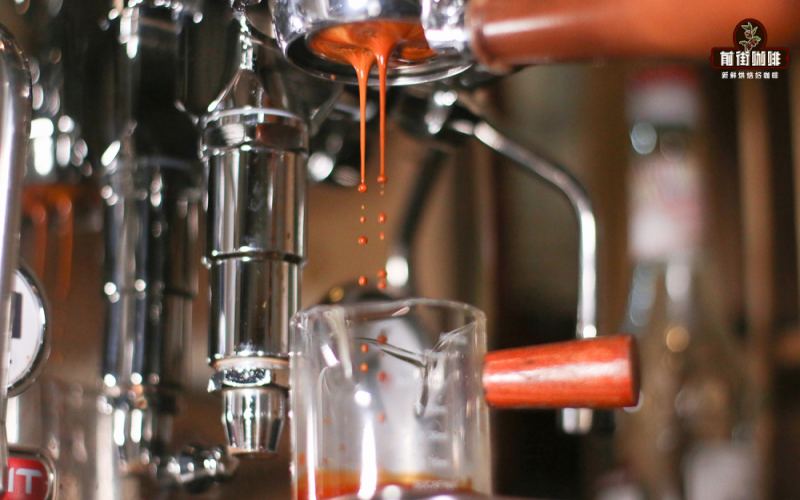
A Complete Guide to Espresso Extraction Parameters: From Dose, Ratio, and Time to a Quick Grind Size Calibration Guide
Espresso extraction is far more sensitive than pour-over, and any slight deviation will be magnified exponentially in the flavor. This article systematically breaks down the extraction parameters from six dimensions—dose, brew ratio, extraction time, flow rate, pressure, and temperature—and offers a quick approach to adjusting grind size. In addition, FrontStreet Coffee also provides practical suggestions on operational details such as weighing, distributing, tamping, and cleaning, helping you consistently reproduce a well-balanced espresso in your daily routine. [more…]
How to Adjust the Grind Size for Espresso? A Complete Parameter Guide from Dose and Ratio to Flow Rate
Espresso extraction is far more sensitive than pour-over, and any slight deviation in parameters will be multiplied in the flavor. Drawing on the practical experience of Front Street Coffee, this article systematically outlines the six core variables that affect espresso extraction—dose, brew ratio, extraction time, flow rate, extraction pressure, and extraction temperature—to help you understand how grind size should be adjusted and judged. At the same time, the article also explains in depth operational details such as weighing the grounds, distributing the grounds, tamping, machine extraction, and cleaning, and analyzes easily overlooked issues such as retained grounds and dosing grind errors. Whether you are a beginner just getting into espresso or an enthusiast hoping for consistent output, you can find actionable adjustment ideas here. [more…]
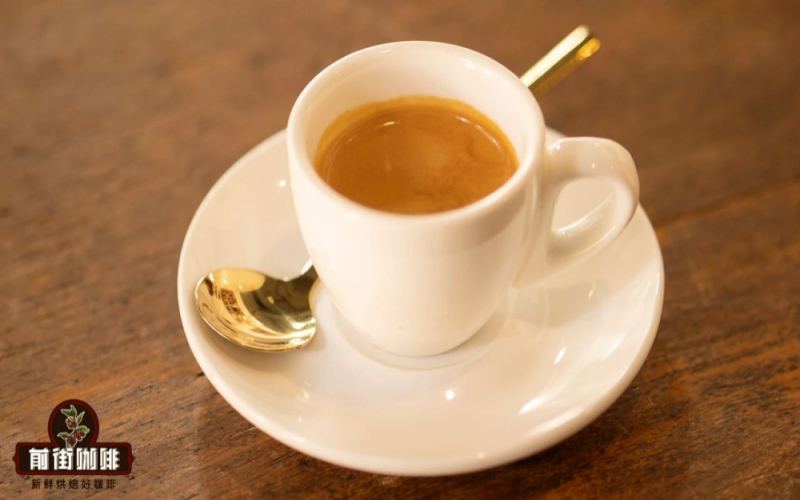
Standard Espresso Extraction Parameters and Brewing Methods, Front Street Espresso Blend Bean Buying Guide
Espresso is the foundation of café offerings and the subject many coffee enthusiasts delve into at home. How much dose, what water temperature, and how much pressure does a qualified Espresso actually require? How should extraction time and ratio be controlled? Starting from Front Street Coffee's hands-on experience, this article systematically sorts out the technical standards and extraction parameter logic of espresso, and introduces in detail the recipes, flavors, and suitable scenarios of four espresso blend coffee beans under Front Street, covering Dark Cocoa Blend, Specialty Blend, Commercial Blend, and Classic Blend. At the end, it also includes notes on purchasing coffee beans to help readers enjoy the best flavor within the peak flavor period. [more…]

Can Espresso Be Extracted Twice After an Interrupted Shot? Testing the Impact of Split Extraction on Flavor and Strength
If you mistakenly press the stop button during espresso extraction before reaching the target yield, can you simply press it again to continue extraction? This article compares three espressos—normal extraction, mid-extraction stop-start, and stop-start near the final phase—to analyze how segmented extraction affects the color, flavor, and concentration of the coffee liquid. Front Street Coffee uses the Warm Sun blend, testing with 20g of grounds extracted to 40ml at a 1:2 brew ratio, to reveal why under pressurized extraction, changes in the puck structure cause an overly fast flow rate and under-extraction during a second extraction, along with operational recommendations. [more…]
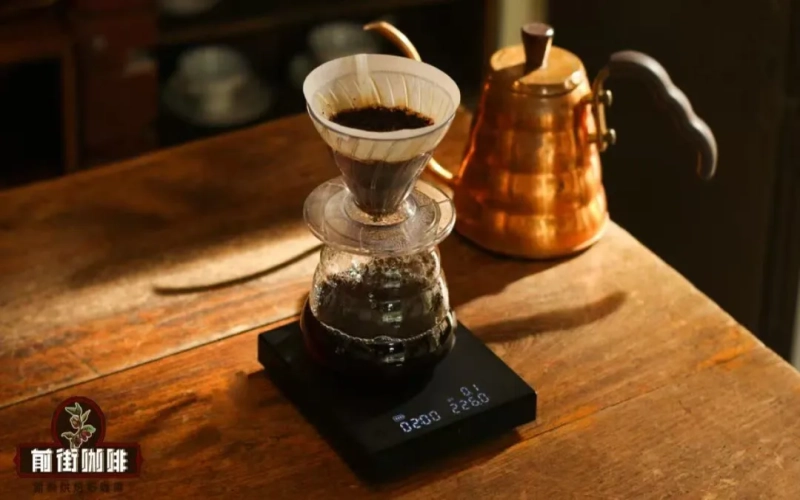
Why should pour-over coffee extraction time be recorded? Abnormal times reveal problems with grinding, technique, and equipment
Many coffee enthusiasts habitually start a timer when brewing, but some also feel that timing is optional. In fact, although time cannot be directly controlled, it can help us judge whether the grind, technique, and equipment are suitable. This article, from Front Street's perspective, discusses why timing matters in pour-over coffee, what extraction times that are too fast or too slow each mean, and how to correct brewing problems by adjusting grind size, pouring method, and dripper, so you can brew a good cup of coffee more consistently. [more…]
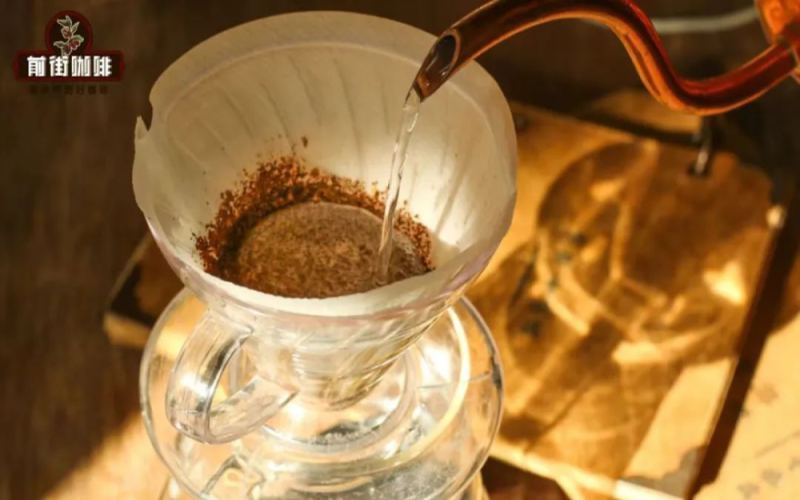
When should espresso extraction timing start? Master the time variable to precisely adjust flavor
The starting point for measuring extraction time may seem like just a matter of a few seconds, but it actually has a profound impact on judging and adjusting coffee flavor. Many coffee enthusiasts are often confused by this in practice: should espresso timing begin when the machine is started, or after the liquid begins to flow? In this article, Front Street Coffee sorts out the correct way to measure extraction time and takes a deeper look at why time is an indispensable part of extraction parameters. From the bloom pour in pour-over brewing to the pressurized permeation in espresso, understanding how time interacts with other parameters can help you quickly pinpoint the problem when the flavor goes off, making every adjustment more purposeful. [more…]
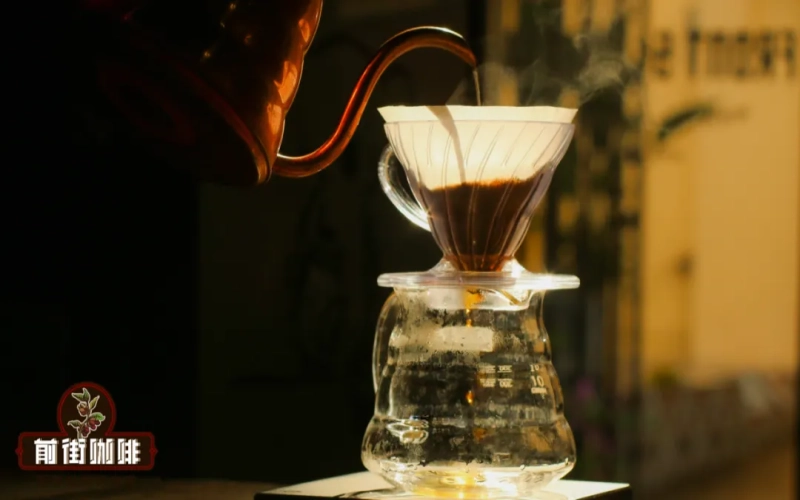
What Is Bypass Water in Pour-Over Coffee? Can a No-Bypass Dripper Really Solve the Problem of Weak Extraction?
In pour-over coffee, there are many factors that can lead to a weak-tasting cup, and too much bypass water is an often overlooked yet not uncommon cause. So-called bypass water is the portion of hot water that bypasses the coffee grounds and drips directly into the server; it does not participate in extraction, yet it dilutes the coffee's strength. This article will analyze this phenomenon from several angles: the definition of bypass water, how it is produced, its relationship with dripper structure, and the actual effects of a no-bypass dripper, helping coffee enthusiasts understand this phenomenon and find more effective ways to deal with it, so they can brew a full-flavored, delicious cup of coffee. [more…]
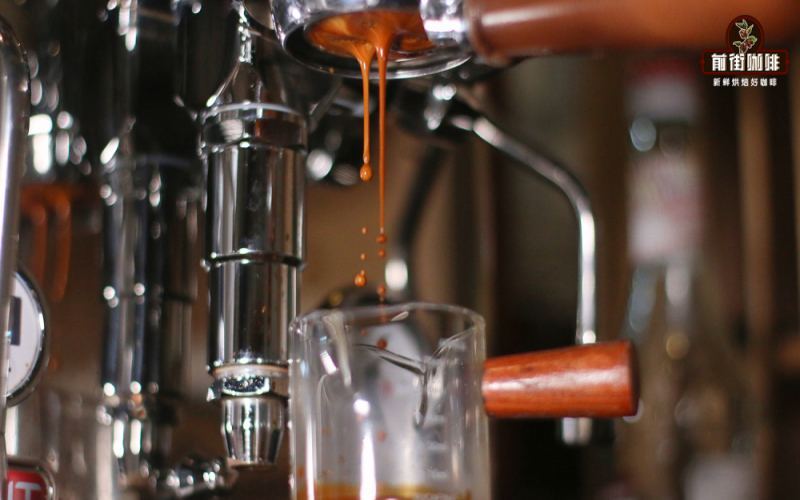
How Fine Should Espresso Grind Be? A Detailed Guide to Extraction Parameter Adjustment Methods and Practical Key Points
Espresso has always been known for being rich and intense, but pulling a consistently delicious shot requires juggling far more variables than most people imagine. The interplay among grind size, dose, yield, time, and water temperature—each one can shift where the final flavor lands. Starting from the brew ratio, this article draws on hands-on experience from Front Street Coffee's shops to lay out the logic for judging espresso grind size and a framework for adjusting extraction parameters, helping coffee lovers find the balance point between flow rate and flavor so they can quickly dial in a balanced shot of espresso. [more…]
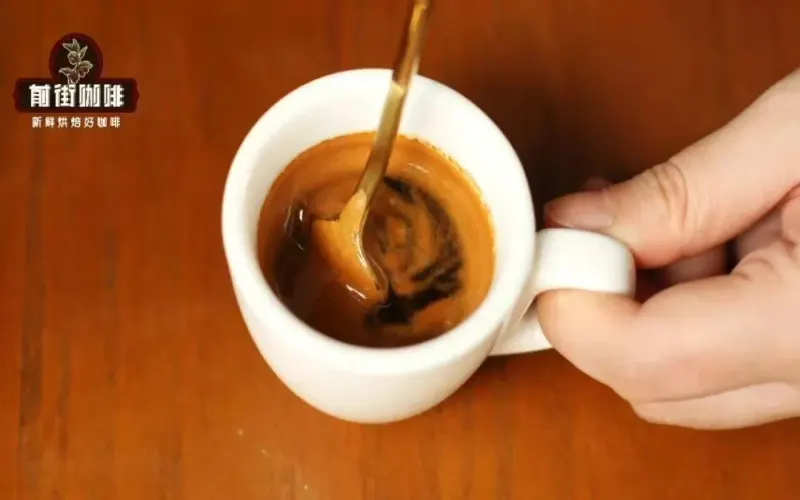
Why Is the Espresso Extraction Ratio Locked at 1:2? A Guide to Adjusting the Three Key Parameters: Dose, Grind, and Time
Many people new to espresso often run into this confusion: they follow the popular online formula of 18g of grounds yielding 36ml of liquid, yet the coffee tastes sharp and stings the tongue—clearly under-extracted—and they have no idea whether to adjust water temperature, pressure, water volume, or grind. In fact, dialing in espresso isn't complicated; you just need to focus on three core parameters: dose, brew ratio, and the interplay of time and grind. Dose and ratio usually don't change much—what really needs repeated fine-tuning is the grind setting. Drawing on Front Street's practical experience, this article explains why 1:2 is considered the golden ratio for espresso, how to use the roughly 30-second extraction window to judge whether your grind is right, and how to make precise corrections through dose and yield when the flavor goes off—helping beginners quickly build a clear, workable approach to espresso extraction. [more…]
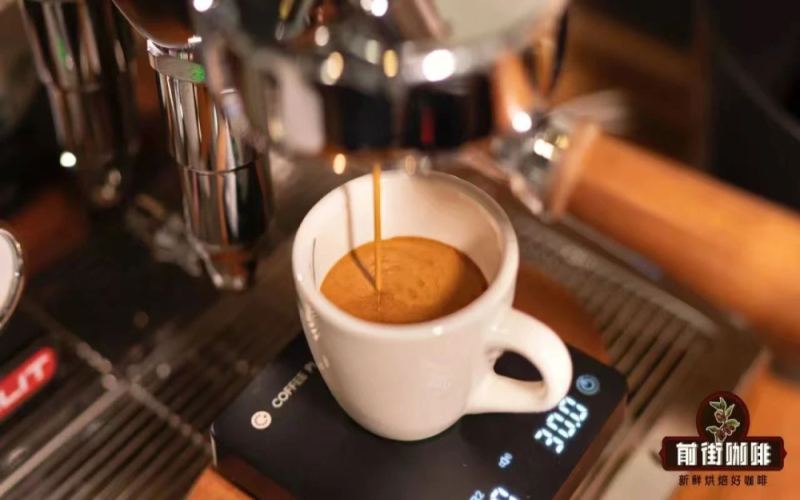
How Many Seconds Should Espresso Extraction Actually Take? An Experimental Analysis of Dose and Grind Parameter Pairings
Extracting a shot of espresso can be done in as little as twenty-odd seconds, but it is precisely this difference of just a few seconds that is enough to push the flavor in the cup in a completely different direction. As one of the core variables in the extraction process, time never exists in isolation—any change to dose, brew ratio, or grind size will affect the final extraction result. This article will start from the reasonable range for extraction time, break down one by one how dose and grind size affect flow rate and flavor, and share Front Street's practical approach to daily dialing in at the shop, along with several espresso blend beans suitable for practice, to help coffee lovers find a stable and delicious espresso recipe more quickly. [more…]
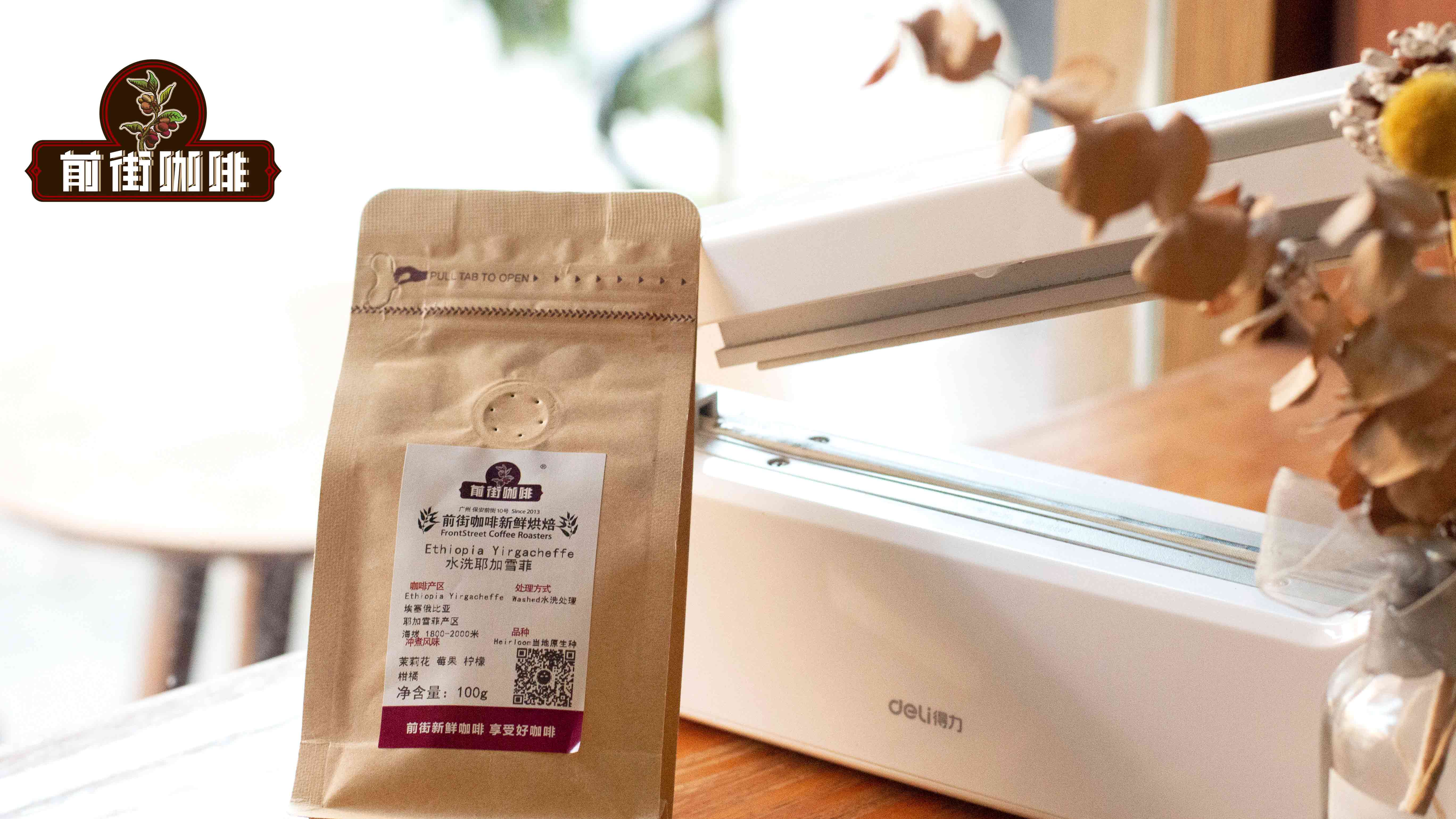
Yirgacheffe Gedeb Gotiti Cooperative Coffee Beans: A Complete Guide to Roasting Key Points and Pour-Over Parameters
Yirgacheffe is known for its citrus, lemon, and berry-like sweet-tartness and rich floral aroma, often roasted to a medium-light level and presented via pour-over. This article focuses on Front Street Coffee's Yirgacheffe Gedeb Cooperative coffee beans, outlining their growing region background, washed processing flow, and green bean information, and provides complete pour-over parameters and a three-stage pouring procedure to help coffee enthusiasts understand how variables such as grind size, water temperature, and coffee-to-water ratio affect flavor, and to build a reusable brewing framework. [more…]

Pour-Over Iced Coffee Beginner Tutorial | How to Make Pour-Over Iced Coffee Quickly and Deliciously? What Preparations Are Needed for Pour-Over Coffee?
Before learning about brewing, many people think that pour-over coffee is very difficult, feeling there are many constraints and things to watch out for—how many grams of coffee grounds, how fine to grind, how many milliliters of water, the water temperature, the pouring technique... Actually, if you're just enjoying it alone at home, Front Street feels there's no need to overthink it, let alone [more…]
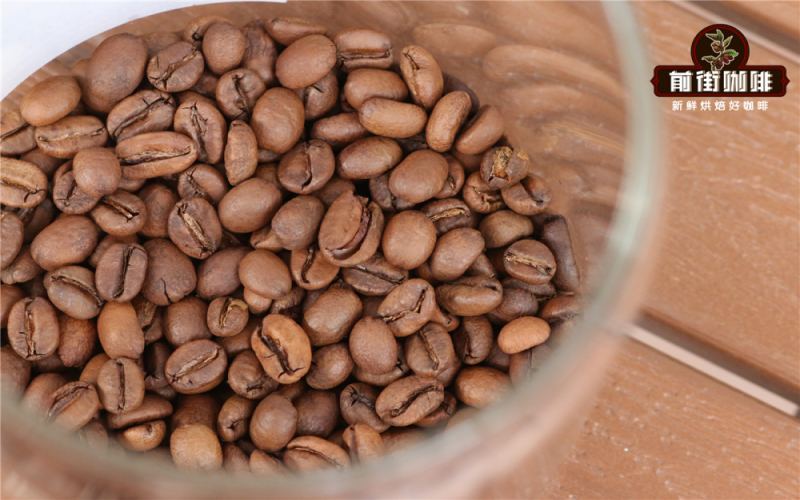
Complete Guide to Yirgacheffe Pour-Over: Practical Guide to Staged Pour Ratios and Extraction Parameters
Front Street washed Yirgacheffe is known for its jasmine, citrus, lemon, and berry aromas, but to brew out its clean, bright floral and fruity character, you need to control everything from the bean's characteristics, grind size, and water temperature to the pouring technique. This article focuses on the medium-light roast style of Front Street Yirgacheffe, walks through hand-brewing equipment preparation, grind and water temperature parameters, and the extraction logic of the V60 dripper, and provides the specific ratios and steps for a three-stage pour, helping coffee lovers build a reusable brewing framework so that Yirgacheffe's aromas come through more clearly. [more…]
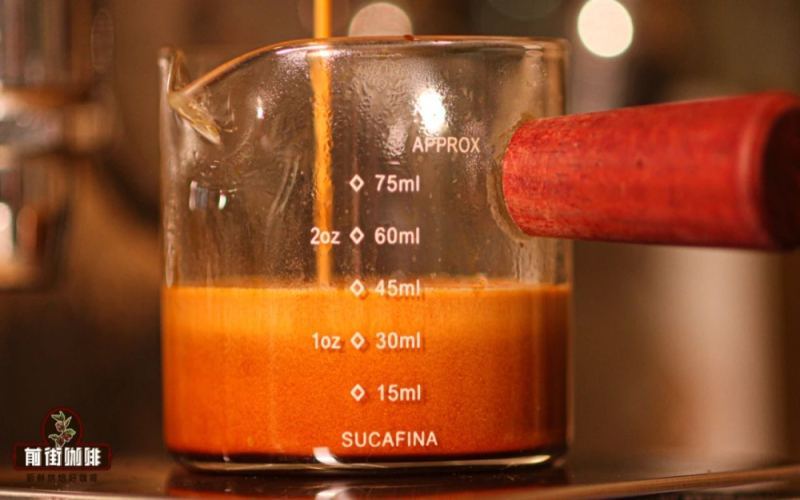
A Guide to Espresso Extraction Time and Pressure Adjustment: Complete Parameter Settings from Dose and Ratio to Flow Rate
Espresso extraction has never been something that can be solved with a fixed formula. The freshness of the coffee beans, the grind size, the brand and model of the espresso machine, the extraction pressure, and the stability of the water temperature—every one of these variables will cause the final cup's flavor to deviate. Precisely for this reason, in its educational articles Front Street Coffee rarely gives an exact extraction time figure the way it does for pour-over. This article will start from the dimensions of dose, coffee-to-water ratio, extraction time, flow rate, pressure, and water temperature, systematically sorting out how to customize a suitable espresso extraction plan for the blend in your hands, and will also introduce the methods for measuring and calculating espresso concentration and extraction yield, helping you find your own cup of good coffee within the Golden Cup reference range. [more…]
The Complete Guide to Light-Roast Yirgacheffe Pour-Over: Flavor Analysis of Gudingding Washed Beans and the Three-Stage Bloom Pouring Technique
Yirgacheffe is renowned for its bright, sweet-tart citrus, lemon, and berry notes, along with its rich floral aroma. It is usually given a medium-light roast and prepared as pour-over. This article uses Front Street Coffee's Yirgacheffe Gudingding Cooperative washed beans as an example, breaking down everything from the producing region's background and the washed processing flow to brewing parameters and blooming technique. You will see how Gudingding became independent from the Worka Cooperative in 2012 and grew into a representative of Yirgacheffe's specialty micro-regions; you will also learn the details of fermentation, channel washing, and African raised-bed drying in washed processing. The brewing section covers the complete setup of a V60 dripper, 92°C water temperature, 15 grams of coffee, a 1:15 coffee-to-water ratio, and medium-fine grinding, with a three-stage pouring timeline and water distribution to help beginners build a reusable pour-over framework. [more…]